KindnessIn production
Building 10, Fifth Floor
A pensioner’s journey to complete a form asks what happens when the minutes we save become someone else’s burden.

This film is still in production
The video will appear here once the film is complete and published on our channel.
Editorial draft for review · Not a transcript of a published video
Every document has a journey behind it
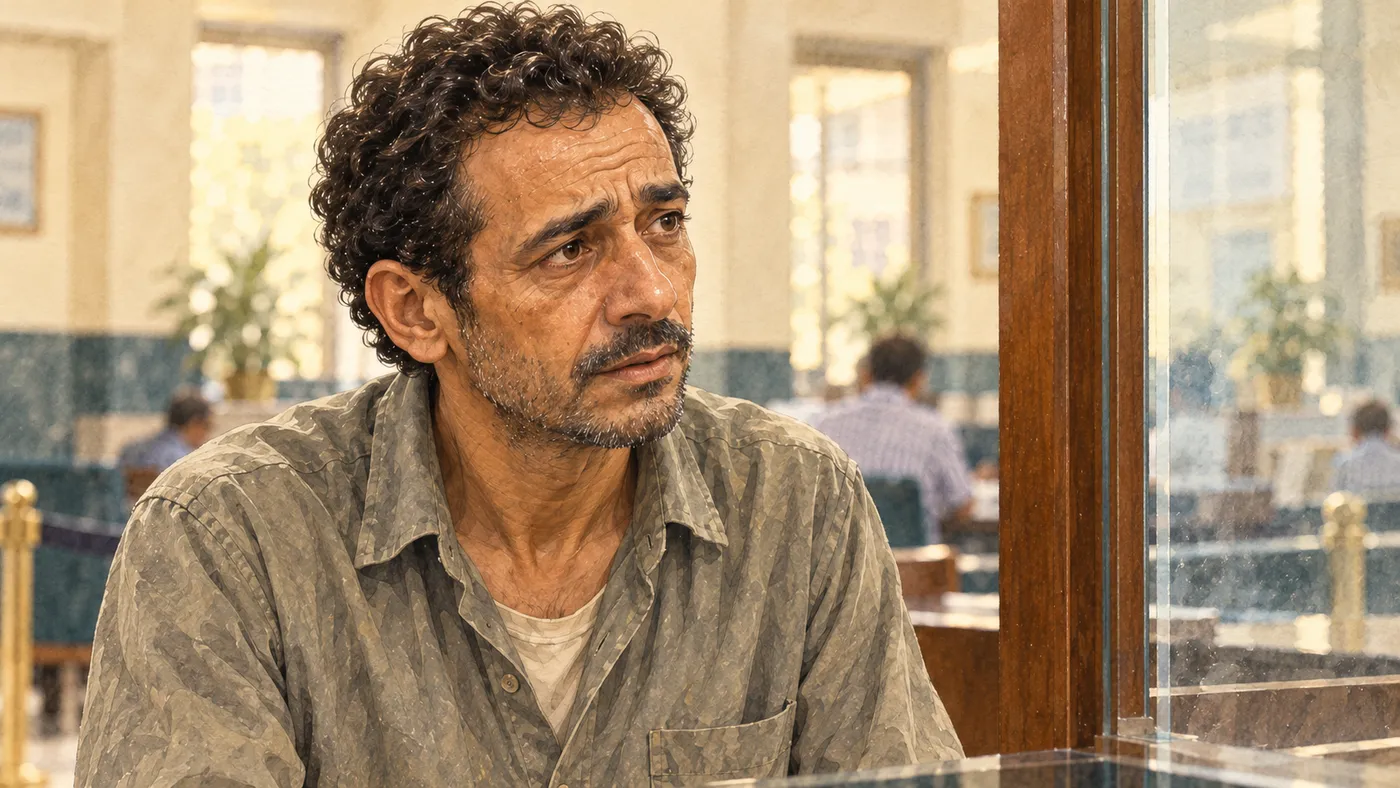
Uncle Saber leaves home before the city starts its day. He carries his papers carefully, expecting to finish an errand in Cairo and return to his family. At the service counter, his case looks like another file among many. Behind it, however, are a long journey, transport costs, and a body that cannot stand as comfortably as it once did. Building 10, Fifth Floor begins in this gap between what we see and what the person before us carries.
We do not need to know everyone’s life story to treat them considerately. We can allow for the possibility that their day is harder than it appears. “Come back tomorrow” takes little time to say. Hearing it may mean rearranging an entire day, missing work, or paying for another journey. The story asks whether we understand the cost of the instructions we give people.
Making things easier starts with knowing what is possible
Help at work might mean a clear explanation, checking a missing step, or directing someone to the right colleague. It does not always require a major exception. Sometimes the difference lies in considering an available solution before asking someone to start their journey again.
Kindness does not require ignoring safeguards or letting someone bypass the queue. Order and respect for people’s time can coexist: explain the requirements together, check that documents are complete, and avoid sending someone to an office that cannot help. These small actions make an institution understandable to the people who need it, rather than a maze whose exits only its employees know.
When habit becomes a decision
The employee’s character invites us to notice repetition. Hearing similar complaints every day can make us stop hearing the people behind them. A ready answer may arrive before the question ends. Recognizing that habit creates a chance to change one encounter: look away from the screen, let someone finish speaking, or check a fact before repeating it.
Someone seeking a service can also explain their need clearly and ask about the next step without insults. Mutual respect does not remove the responsibility of the person with authority, but it gives the conversation more room. We cannot always know where the effects of our behavior will reach. We can recognize the decision within our control now.
Before watching
Notice the time, waiting, and distances in the story, and let the film reveal what connects its characters. This is an English translation of an original Arabic companion essay for a fictional yessero story illustrated with AI. It is neither a video transcript nor a record of real events.

Original fictional stories, visualized with AI.